Author name: Epiderme

Why Faced Hair Fall Problem.
Blog, Hair care

Hair Care Tips: How to Get Strong, Healthy, and Shiny Hair;

Nowadays, hair fall, dandruff, and dry hair have become very common problems. If you are also searching for natural and effective hair care tips, this guide is perfect for you.

Oiling is Essential;

Regularly massaging your scalp with coconut oil or almond oil helps strengthen hair roots and reduces hair fall. Try oiling your hair 2–3 times a week.

Use a Mild Shampoo

Avoid washing your hair daily. Use a sulfate-free shampoo that cleans your scalp gently without causing damage.

Follow a Healthy Diet

Your hair health depends on your diet. Include protein-rich foods such as:

Eggs

Nuts

Green vegetables

These help improve hair growth and overall strength.

Try Natural Remedies

Use natural ingredients like:

Aloe vera gel

Onion juice

These are known to promote hair growth and nourish your scalp naturally.

Avoid Heat Styling

Excessive use of hair straighteners or dryers can damage your hair. Let your hair dry naturally whenever possible.

If you follow this simple hair care routine daily, you can achieve healthy, shiny, and strong hair. Consistency is the key to long-t

Blog

Struggling with Hair Fall? 5 Proven Tips to Regrow Stronger, Healthier Hair

Hair fall is one of the most common concerns today, affecting millions of people. From environmental pollution and stress to harsh chemical treatments, our hair goes through a lot every day. If you are tired of seeing hair strands on your pillow or hairbrush, it’s time to rethink your hair care routine.

In this guide, we’ll explore how you can stop hair breakage and restore your hair’s natural shine using the right habits and products.

1. Prioritize Scalp Health
A healthy scalp is the foundation for strong hair. When your scalp is clogged with oil, dirt, or dandruff, hair follicles become weak, leading to shedding.

The Fix: Use a gentle, sulfate-free cleanser that removes impurities without stripping away natural moisture. A clean scalp allows hair to breathe and grow.

2. The Power of Specialized Hair Serums
After washing, hair often becomes frizzy and prone to breakage. A high-quality hair serum acts as a protective shield against UV rays and heat. Epiderme Laboratories offers specialized formulations that penetrate deep into the hair shaft to provide nourishment where it’s needed most.

3. Feed Your Hair from Within
Hair is primarily made of a protein called Keratin. If your diet lacks protein, iron, and Omega-3 fatty acids, your hair will inevitably become thin and brittle. Include eggs, spinach, nuts, and lentils in your daily meals to fuel hair growth from the inside out.

4. Minimize Heat and Chemical Damage
Excessive use of blow dryers, flat irons, and harsh chemical dyes can destroy the hair cuticle. Whenever possible, let your hair air-dry and use a wide-toothed comb to detangle wet hair gently to prevent mechanical breakage.

5. Choose Dermatologically Tested Products
Not all hair products are created equal. Many over-the-counter shampoos contain harsh surfactants that do more harm than good. Always opt for products backed by science. Choosing dermatologically tested solutions ensures that you are treating your hair with ingredients that are both safe and effective.

Conclusion
Beautiful hair doesn’t happen by chance; it happens by appointment with a consistent routine. By combining a healthy lifestyle with professional-grade products, you can transform dull, thinning hair into a thick, lustrous mane.

Ready to give your hair the professional care it deserves?
Explore our science-backed hair care collection at Epiderme Laboratories and start your journey to healthier hair today.

Blog

Scalp Health: Effective Ways to Restore and Maintain a Healthy Scalp

Healthy, strong hair always begins with a healthy scalp. If your scalp is dry, itchy, oily, or affected by dandruff, it can lead to hair fall and slow hair growth. In this SEO-optimized blog, we’ll explore the best ways to improve scalp health naturally and effectively.

Que-1 What Is Scalp Health?

Scalp health refers to the condition of the skin on your head. A healthy scalp is clean, well-hydrated, balanced in oil production, and free from infections or irritation. When your scalp’s pH level and moisture balance are maintained, hair grows stronger, shinier, and healthier.

Que.-2 Signs of an Unhealthy Scalp

Dandruff and Flakes;White flakes falling from your scalp are a common sign of dandruff. This may be caused by dryness or fungal imbalance.

Itching and Redness;Persistent itching, irritation, or redness indicates scalp inflammation.

Excess Oil or Extreme Dryness ;An overly oily scalp can clog hair follicles, while a very dry scalp can cause flaking and irritation.

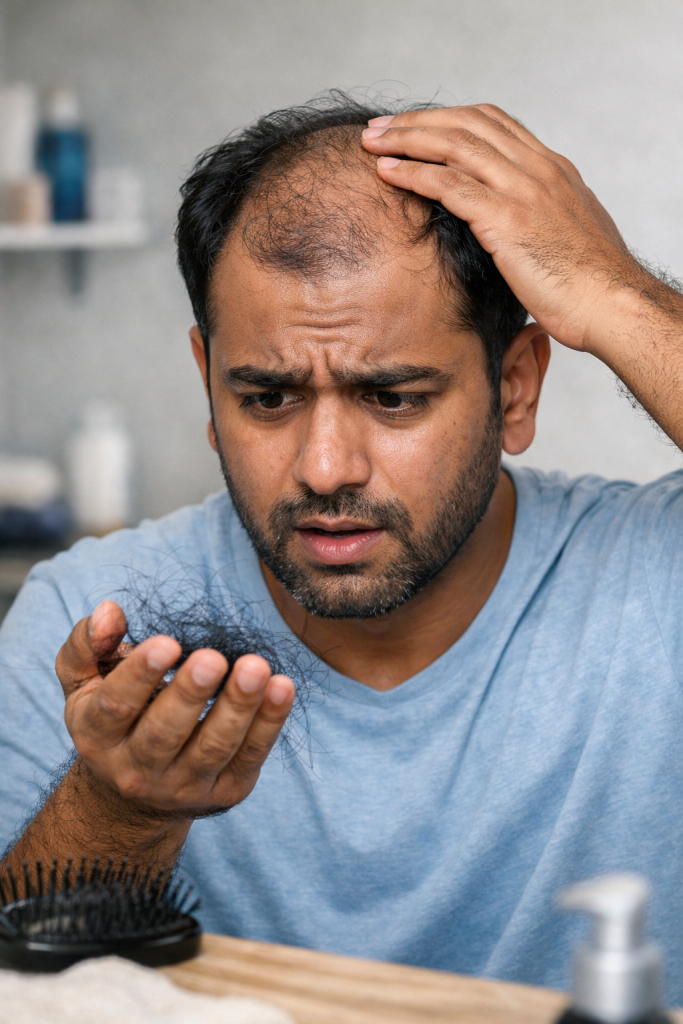
Increased Hair Fall; Weak hair roots due to poor scalp health can lead to excessive hair shedding.

Best Ways to Improve Scalp Health ;

Wash Your Hair Gently and Regularly

Wash your hair 2–3 times a week using a mild shampoo.
Avoid shampoos with harsh chemicals.
Massage your scalp gently while shampooing to boost blood circulation.
Tip: Sulfate-free shampoos are often better for maintaining scalp balance.

Scalp Massage and Oil Therapy;

Apply coconut oil or almond oil 1–2 times per week.

Leave the oil on for 30–40 minutes before washing with a mild shampoo.

Oil massage improves blood flow and reduces dryness.

This image has an empty alt attribute; its file name is WhatsApp-Image-2026-01-07-at-8.32.21-AM.jpeg
. Dandruff and Flakes
White flakes falling from your scalp are a common sign of dandruff. This may be caused by dryness or fungal imbalance.

Itching and Redness;

Persistent itching, irritation, or redness indicates scalp inflammation.

Increased Hair Fall;

Weak hair roots due to poor scalp health can lead to excessive hair shedding.

Best Ways to Improve Scalp ;
1. Wash Your Hair Gently and Regularly

Best Ways to Improve Scalp Health
1. Wash Your Hair Gently and Regularly

Wash your hair 2–3 times a week using a mild shampoo.
Avoid shampoos with harsh chemicals.
Massage your scalp gently while shampooing to boost blood circulation.
Tip: Sulfate-free shampoos are often better for maintaining scalp balance.

Scalp Massage and Oil Therapy

Apply coconut oil or almond oil 1–2 times per week.

Leave the oil on for 30–40 minutes before washing with a mild shampoo.

Oil massage improves blood flow and reduces dryness.

Maintain a Healthy Diet and Stay Hydrated;

Include vitamins A, B, C, D, and iron in your diet.
Drink at least 7–8 glasses of water daily.
Eat nuts, seeds, and green vegetables to nourish your scalp from within.
Reduce Stress
Stress is a major cause of hair fall. Practicing yoga, meditation, and getting adequate sleep can significantly improve scalp health.

Avoid Excessive Chemical Treatments
Frequent hair coloring
Excessive heat styling
Daily use of hair sprays and gels
These practices can damage your scalp and weaken hair roots.

Natural Remedies for Dandruff and Itchy Scalp
H3: 1. Aloe Vera Gel
Apply fresh aloe vera gel to your scalp for 20 minutes before washing. It helps soothe itching and irritation.

H3: 2. Neem Water Rinse
Boil neem leaves in water and use the cooled water as a final rinse. It helps reduce fungal growth and dandruff.

H2: When Should You See a Doctor?
Consult a dermatologist if you experience:

Severe hair fall
Red patches or pus on the scalp
Intense itching that does not improve
H2: Conclusion
Maintaining scalp health is essential for strong, shiny, and healthy hair. Regular cleansing, oil massage, a balanced diet, and stress management can significantly improve your scalp condition.

By following these simple tips consistently, you can reduce hair fall and promote natural hair growth over Time.



Blog

Anti Aging Skin Care Routine:

Look Younger Naturally
A proper anti aging skin care routine helps reduce wrinkles, fine lines, dark spots, and dullness. Aging is natural, but with the right skincare steps, you can maintain youthful and glowing skin for longer. Let’s understand the best daily routine for healthy skin.
Gentle Cleanser (Morning & Night)Start with a mild, sulfate-free cleanser. Cleansing removes dirt, oil, and pollution that cause premature aging. Choose a cleanser with Vitamin C or hydrating ingredients
Use Antioxidant SerumA Vitamin C serum is essential in any anti aging routine. It brightens skin, reduces pigmentation, and protects from sun damage. Apply 2-3 drops daily in the morning.
Apply MoisturizerHydration is key for youthful skin. Use a moisturizer with hyaluronic acid, peptides, or ceramides. It keeps skin plump and reduces fine linesSunscreen is MandatorySun exposure is the biggest cause of premature aging. Always apply SPF 30+ sunscreen, even on cloudy days. This prevents wrinkles and dark spots.Night Care with RetinolAt night, use a retinol-based cream. Retinol boosts collagen production and reduces wrinkles over time. Start slowly (2-3 times a week) to avoid irritation.
Bonus Tips
Drink enough water
Eat antioxidant-rich foods
Sleep 7-8 hours daily
Avoid smoking and excessive sugar
Final Thoughts
A consistent anti aging skin care routine can significantly slow down visible signs of aging. The key is consistency and choosing products suitable for your skin type. Start early, protect your skin daily, and enjoy long-lasting youthful glow.

Blog

Oil Skin Care Routine – Complete Guide

Oily skin can be tricky—extra shine, clogged pores, and frequent breakouts are common issues. But with the right skincare routine, oily skin can look healthy, balanced, and glowing. Here’s a simple yet effective oil skin care routine you can follow daily.
1. Cleanser (Morning & Night)
Start with a gentle, gel-based or foaming cleanser that removes excess oil without over-drying. Look for ingredients like salicylic acid or tea tree, which help control sebum and prevent acne.
2. Toner
Use an alcohol-free toner to tighten pores and balance skin’s pH. Toners with niacinamide, witch hazel, or green tea are great for oily skin.
3. Lightweight Moisturizer
Many people with oily skin skip moisturizer—big mistake! Choose an oil-free, non-comedogenic, water-based moisturizer. It keeps skin hydrated and actually reduces excess oil production.
4. Sunscreen (Daytime Must)
Always apply a gel-based or matte-finish sunscreen (SPF 30 or higher). Sunscreen protects against sun damage and prevents dark spots and premature aging.
5. Weekly Care
Exfoliation (1–2 times/week): Use a mild chemical exfoliant to remove dead skin cells.
Clay Mask (1 time/week): Helps absorb excess oil and unclog pores.
Extra Tips for Oily Skin
Avoid harsh scrubs and heavy creams
Don’t overwash your face
Maintain a balanced diet and drink plenty of water
With consistency and the right products, oily skin can be your biggest strength—naturally radiant and youthful ✨

Blog

Winter Skin Care Compelet Guide ?

1. Gentle Cleansing
Use a mild, soap-free cleanser to avoid stripping natural oils. Over-washing your face can make skin drier in winter.
2. Deep Moisturizing
Apply a thick moisturizer immediately after washing your face or bathing. Ingredients like glycerin, ceramides, shea butter, and hyaluronic acid help lock in moisture.
3. Sunscreen is a Must
Many people skip sunscreen in winter, but UV rays are active year-round. Use SPF 30 or higher daily, even on cloudy days.
4. Lip & Hand Care
Use a hydrating lip balm and apply hand cream regularly to prevent cracks and dryness.
5. Hydration from Inside
Drink plenty of water and include fruits, nuts, and healthy fats in your diet for naturally glowing skin.
6. Avoid Hot Showers
Very hot water removes natural oils. Prefer lukewarm water for bathing.
Conclusion
Following a simple yet consistent winter skin care routine can protect your skin from dryness and irritation. Healthy habits + right products = soft, glowing winter skin.

Blog, Hair care

Hair Care Mistakes Everyone Makes (And How to Fix Them)

Healthy and shiny hair doesn’t depend only on expensive products. Most hair problems like hair fall, dandruff, dryness, and breakage happen because of common hair care mistakes that almost everyone makes daily. The good news? These mistakes are easy to fix.1. Washing Hair Too Often
Mistake: Shampooing daily.
Problem: Removes natural oils and causes dryness.
Wash hair 2–3 times a week only.
2. Using the Wrong Shampoo
Mistake: Choosing shampoo based on ads.
Problem: Damages scalp and hair roots.
Use shampoo according to your scalp type (dry, oily, dandruff).Rough Towel Drying
Mistake: Rubbing wet hair with a towel.
Problem: Causes hair breakage.
✅ Fix: Gently pat dry with a soft towel or cotton cloth.
Skipping Conditioner
Mistake: Thinking conditioner causes hair fall.
Truth: Conditioner reduces breakage.
Apply conditioner only on hair lengths, not scalp. 5. Too Much Heat Styling
Mistake: Daily use of dryer or straightener.
Problem: Weak and damaged hair.
✅ Fix: Limit heat styling and use heat protectant.
6. Ignoring Diet & Water
Mistake: Only external hair care.
Problem: Weak hair roots.
: Eat protein-rich food and drink 2–3 liters of water daily.
Conclusion
Small daily habits create big hair problems. By avoiding these hair care mistakes, you can reduce hair fall and improve hair health naturally—without expensive treatments.

Blog

Scientific Reasons for Dandruff: Why Does Dandruff Occur?

Why does dandruff occur? Learn the scientific reasons behind dandruff, its causes, symptoms, and prevention methods explained simply.
What Is DandruffDandruff is a common scalp condition in which white or yellow flakes of dead skin shed from the scalp. Although it is not contagious or dangerous, it can cause itching, discomfort, hair fall, and social Scientifically, dandruff is linked to fungal activity, oil production, scalp sensitivity, and immune response.
Scientific Reasons for Dandruff.Overgrowth of Malassezia Fungus
The most important scientific cause of dandruff is a fungus called Malassezia, which naturally lives on the human scalp.
When this fungus grows excessively:
It feeds on scalp oils (sebum)
Produces irritating by-products
Triggers inflammation
Accelerates skin cell turnover
This leads to visible flakes and itching.
Excess Oil Production (Oily Scalp)
An oily scalp creates a perfect environment for fungal growth.
More oil = more food for fungus
Dead skin cells stick together
Yellow, greasy dandruff appears
❗ This proves that dandruff is not only Dry Scalp Condition
Dry scalp occurs due to:
Cold weather
Excessive shampooing
Dehydration
Use of harsh hair products
In this condition:
Skin becomes flaky and tight
Small white flakes fall
Mild itching occurs by dry scalp.
Dry scalp flakes are usually not fungal dandruff.
4️⃣ Seborrheic Dermatitis
Seborrheic dermatitis is a medical skin condition and a major cause of severe dandruff.
Symptoms include:
Red, inflamed scalp
Thick yellow flakes
Greasy and itchy skin
Can affect eyebrows, beard, and ears
This condition requires medicated treatment.

Hormones play a key role in dandruff formation.
Androgen hormones increase oil production
Teenagers and young adults are more affected
Puberty-related dandruff is very common
📌 This is why dandruff is rare in children but common after adolescence
Weak Immune System
A weak immune system cannot control fungal growth effectively.
Causes include:
Stress
Poor sleep
Illness
Poor nutrition

Scroll to Top